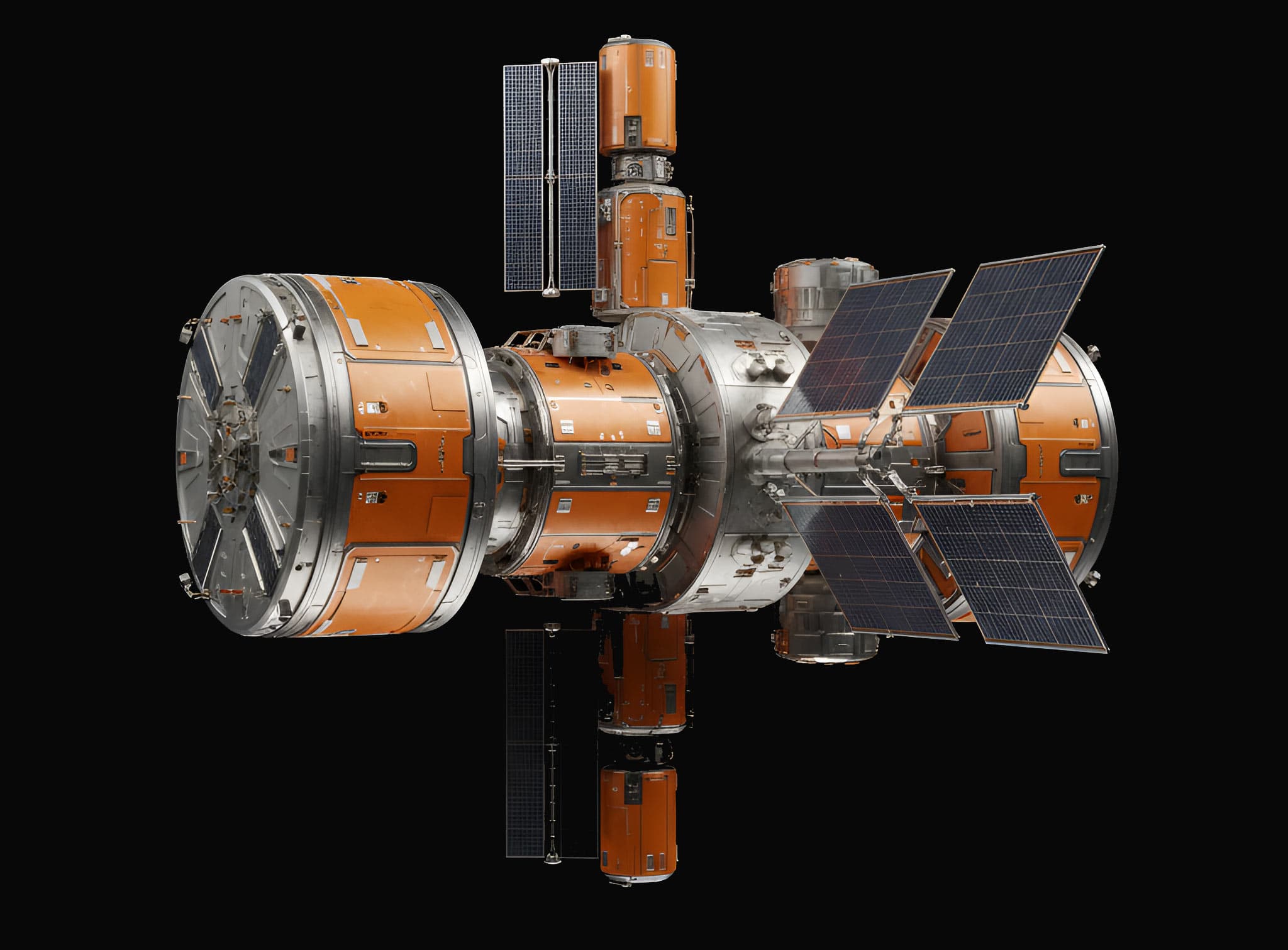
Web Platform Development is the engineering of complex web systems that form the foundation of a business's digital infrastructure. In the modern technological landscape, the web platform becomes the company's “command center”: it unites modules, services, data, and users into a single ecosystem. The initial stages of development always begin with architecture design — this is where it is determined how flexible, resilient, and scalable the future platform will be.
We create web platforms as one designs space stations: each part of the system must have its own function, be reliable, easily updatable, and secure. This approach allows businesses to gradually develop the product without the risk of overload or architectural limitations.
Architectural Foundation — the Core of the Future Platform
Web platform engineering requires a deep understanding of business logic and technical constraints.
At the architecture stage, the following are considered:
data distribution
modularity of services
integration with external APIs
load models and scaling points
security requirements
Modular Structure
Modular architecture allows for functionality to be added like sections of a spacecraft — without stopping the flight.
Each module is developed to:
be autonomous
have clear boundaries of responsibility
be easily replaceable or extensible
This gives the platform a long life cycle and flexibility in development.
Performance and Scalability as System Indicators
The modern web platform must withstand the dynamics of the real market. We design systems that are ready for traffic growth, increased load, and the emergence of new user scenarios.
Scaling at the Infrastructure Level
We use:
distributed databases
load balancers
containerization
microservices approaches
cloud orchestrators
This infrastructure allows the platform to operate stably even during sharp load spikes.
Integrations and Ecosystem Approach
The digital platform is not only internal functionality but also the ability to interact with the external space. We create solutions that easily connect to payment systems, CRM, ERP, analytical services, and internal corporate tools.
Unified Control Center
The platform may include:
an admin panel for process control
an analytical module for data visualization
automation tools
user interfaces
This creates a comprehensive digital ecosystem that manages the company's operations.
Security and Reliability — the Foundation of Trust
We pay special attention to data protection and platform resilience.
We use:
encryption at all levels
role and rights segregation
event auditing
protection against attacks and leaks
redundancy and duplication of critical components
Security is a shield that ensures the stability of the entire system, like the protective shell of a spacecraft.